
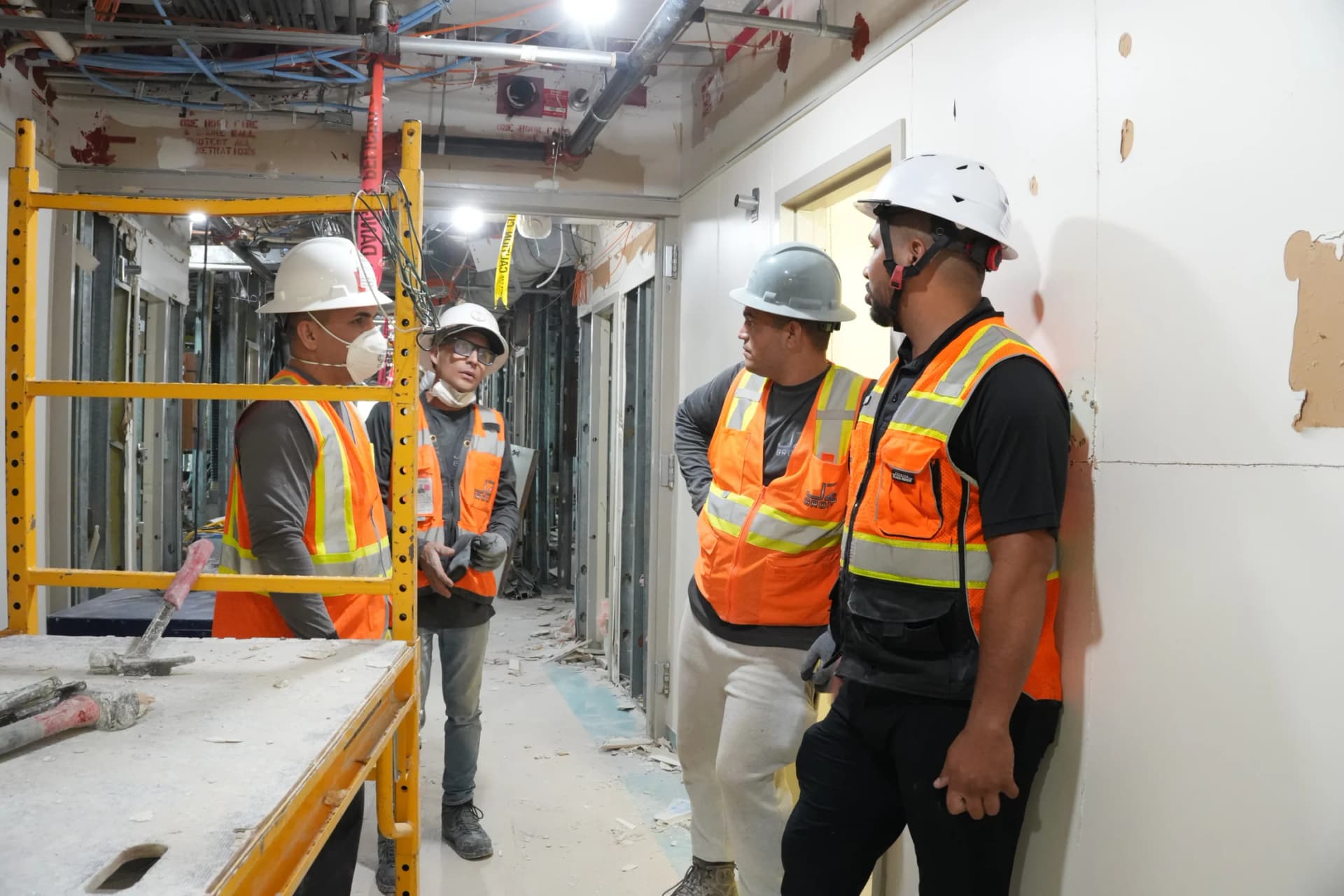
Safety at Every Step
Across demolition, construction, waste operations, and development oversight, safe work begins with site-specific planning, experienced field leadership, and visible accountability.
Request Qualifications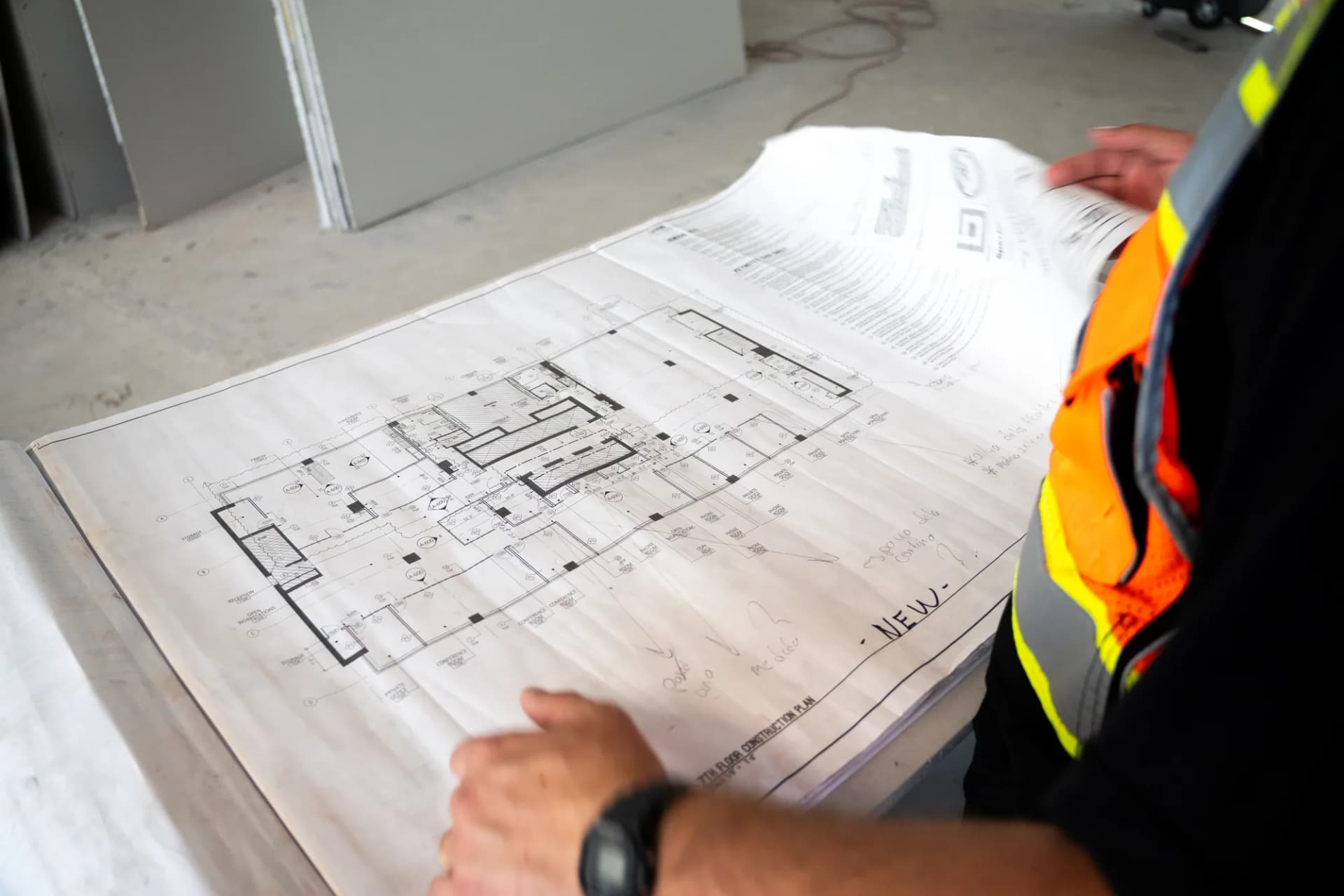
Active Facilities
Work begins with site assessment, hazard review, logistics planning, and clear definition of the work zone. Access, sequencing, material movement, occupied areas, and turnover requirements are considered before production begins.
The operating approach is tailored to the company, project, facility, and scope. Current licenses, insurance, bonding, training records, references, and project-specific requirements are available through a qualification request.
- Site and hazard assessment
- Access and logistics planning
- Work-zone protection
- Crew communication and supervision
- Clean, deliberate turnover
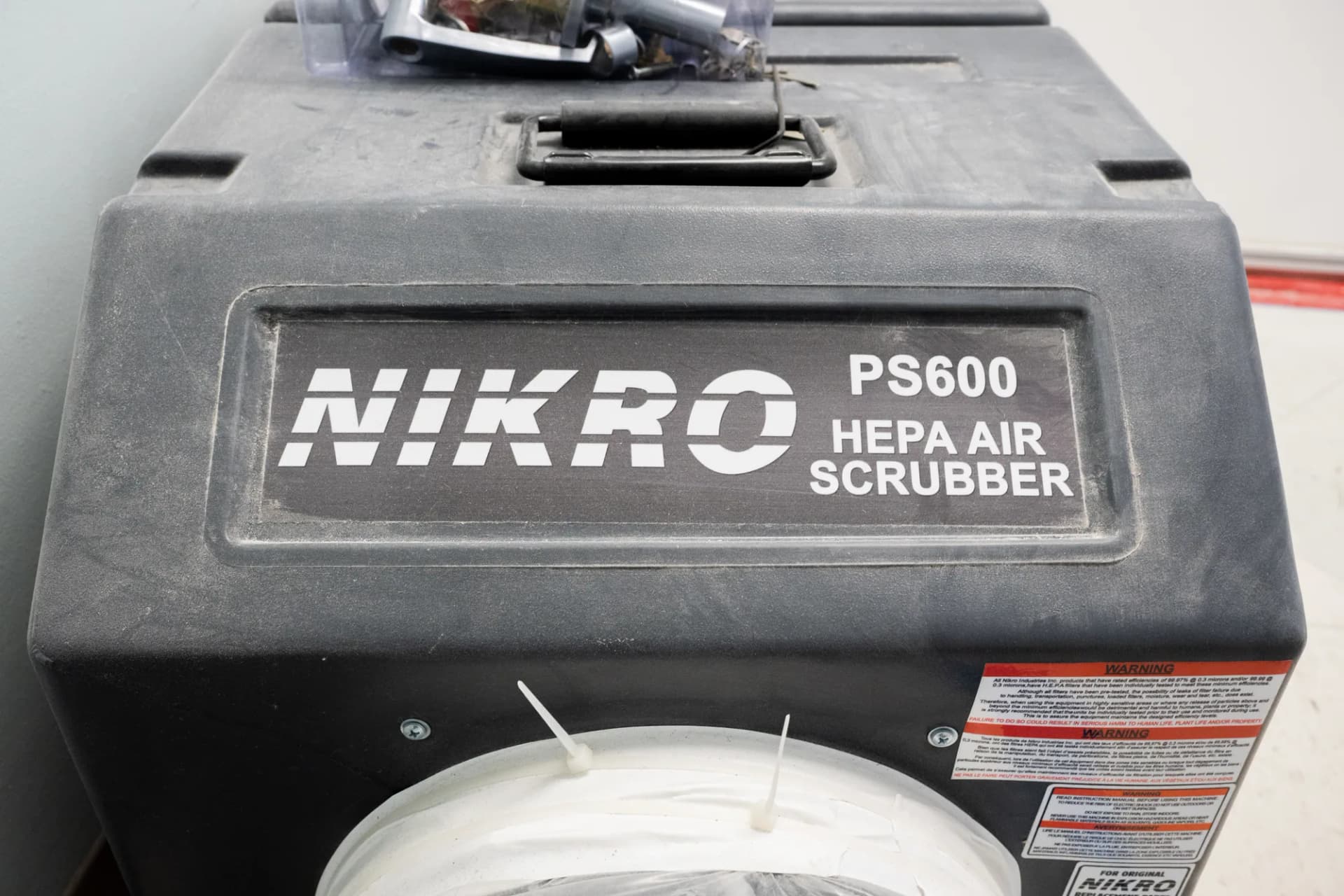
Site Controls
Active hospitals and occupied facilities require an operating plan shaped around access, people, retained systems, material movement, noise, dust, debris, and turnover.
Specific controls are selected and verified for the project rather than presented as one generic procedure for every environment.
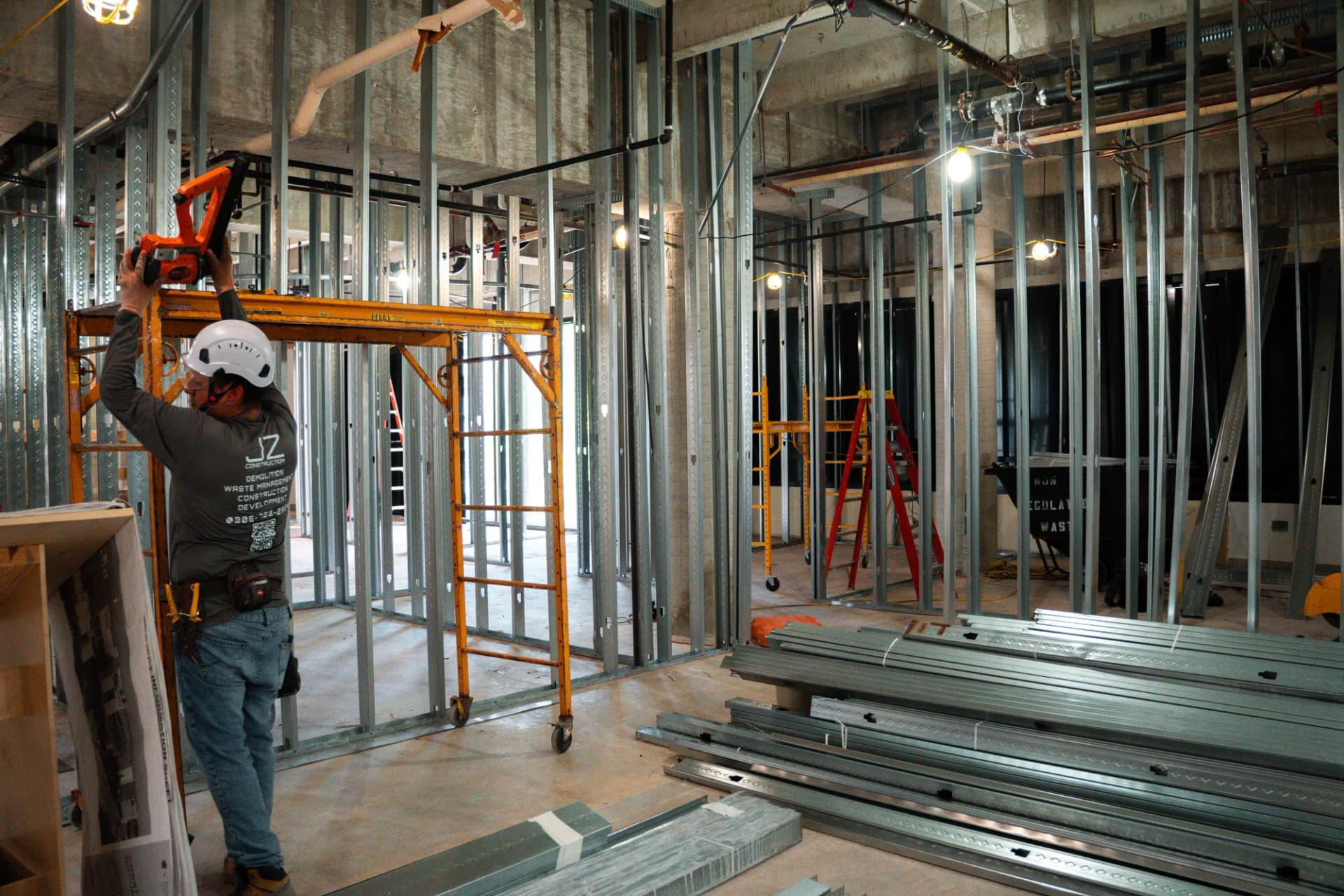
Field Accountability
Field leadership is responsible for making the plan visible at the point of work, coordinating with the project team, and keeping accountability clear as conditions change.
Request the current qualification package for verified credentials, insurance, bonding, training records, safety information, and references relevant to the proposed scope.